Begin the Year Strong: Modernize Your Crisis Management Technology
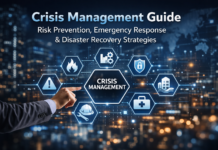
Starting the year with the right tools can make a decisive difference in how well an organization handles unexpected events. Modern crisis management software—especially platforms that automate incident reporting and escalation—fundamentally improves the way incidents are identified, assessed, and resolved. These systems help organizations move from reactive firefighting to proactive, well-coordinated response.
Faster, More Effective Incident Response
Automation enables continuous monitoring of environmental risks and emerging threats, allowing incidents to be identified as they occur. By eliminating delays caused by manual reporting, organizations can drastically shorten response and recovery times. A capable platform also simplifies data capture, assessment, prioritization, and reporting—freeing teams to focus on decision-making and action rather than administration.
Clearer Insights for Better Decisions
When incident data is collected and centralized in one system, it becomes far easier to understand what matters most. Automated platforms surface key insights, helping teams quickly assess severity, determine escalation paths, and identify recurring patterns. This clarity allows leadership to focus resources on the most critical risks and implement corrective measures that have real impact.
Less Noise, Less Fatigue
One of the biggest challenges in incident response is alert overload. Advanced crisis platforms reduce this burden by intelligently filtering signals and highlighting genuine threats. By cutting down false alarms and unnecessary notifications, teams experience lower stress, improved focus, and reduced burnout—resulting in a more effective and sustainable response capability.
Consistency, Compliance, and Audit Readiness
Standardized reporting and response workflows ensure that incidents are handled consistently across the organization. This minimizes human error, improves accountability, and makes it easier to track response progress. Automated documentation and reporting also support regulatory compliance and simplify audits, saving time and reducing risk.
Stronger Communication and Team Alignment
Modern crisis management platforms support real-time communication and shared situational awareness. Stakeholders stay informed at every stage of an incident, enabling better coordination between security, operations, leadership, and external partners. This level of collaboration leads to faster resolution and more confident decision-making during high-pressure situations
Clearer Insights for Better Decisions
When incident data is collected and centralized in one system, it becomes far easier to understand what matters most. Automated platforms surface key insights, helping teams quickly assess severity, determine escalation paths, and identify recurring patterns. This clarity allows leadership to focus resources on the most critical risks and implement corrective measures that have real impact.