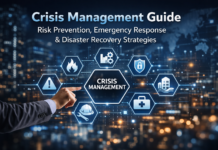
In an era defined by rapid change, organizations must be prepared to respond decisively when unexpected events occur. From cyberattacks and reputational threats to operational breakdowns and external disruptions, crises can emerge without warning. Effective crisis management is no longer optional — it is a strategic necessity that protects stability, credibility, and long-term performance.
Modern crisis management frameworks extend far beyond reactive firefighting. They combine structured planning, leadership alignment, communication systems, and real-time intelligence to ensure organizations can respond swiftly and confidently. Businesses that develop mature crisis capabilities strengthen their resilience and maintain stakeholder trust even under pressure.
Recognizing Early Warning Signals
Crises rarely happen in isolation. Most major incidents begin as small warning signs — a delayed response, a technical anomaly, a compliance gap, or a communication breakdown. When these signals are overlooked, risks escalate rapidly.
Proactive organizations implement monitoring mechanisms that detect irregularities before they intensify. Data analytics, performance indicators, and structured reporting channels provide leadership with timely insights. Early intervention reduces operational damage and prevents reputational fallout.
Creating a Structured Response Framework
During a crisis, time is critical. Without predefined protocols, decision-making can become chaotic and inconsistent.
A well-designed crisis management framework outlines clear escalation levels, authority structures, and response procedures. It defines how information flows, who leads specific actions, and how cross-functional coordination is maintained. When responsibilities are established in advance, teams respond with clarity rather than confusion.
Strengthening Leadership Under Pressure
Crisis situations test leadership capabilities more than routine operations. Leaders must communicate confidently, make informed decisions quickly, and maintain team morale.
Preparation plays a key role. Executive simulation exercises, scenario planning, and leadership training programs build decision-making confidence. Strong leaders set the tone for organizational stability and reassure stakeholders during uncertain moments.
Ensuring Transparent and Timely Communication
One of the greatest risks during a crisis is misinformation. Delayed or unclear communication can amplify uncertainty and damage trust.
A structured communication strategy ensures accurate information reaches employees, customers, regulators, and partners promptly. Unified messaging, designated spokespersons, and centralized updates reduce speculation and maintain credibility. Transparent communication transforms uncertainty into managed clarity.
Integrating Technology for Real-Time Coordination
Digital tools enhance crisis response efficiency. Incident management platforms, shared dashboards, and collaboration systems provide a unified view of evolving situations.
These tools allow teams to track progress, assign tasks, and document actions in real time. Technology-driven coordination minimizes duplication, accelerates response times, and ensures accountability throughout the resolution process.
Learning and Strengthening After the Crisis
Every crisis offers lessons. Organizations that conduct structured post-incident reviews improve their future readiness.
After-action reports, root-cause analysis, and corrective action plans transform challenges into growth opportunities. Continuous improvement ensures that each response strengthens the organization’s preparedness for future uncertainties.
Turning Crisis Management into Organizational Strength
Organizations known for strong crisis management capabilities earn a reputation for reliability. Clients, investors, and regulators place greater confidence in businesses that demonstrate control and accountability during adversity.
Effective crisis management safeguards brand integrity, stabilizes operations, and protects long-term growth. It converts disruption into an opportunity to demonstrate leadership and resilience.
Moving Forward with Confidence
Uncertainty will always be part of the business landscape. The difference lies in how organizations respond.
By establishing structured frameworks, empowering leadership, leveraging technology, and fostering a culture of preparedness, businesses can navigate crises with composure and control.
Crisis management is not merely about surviving disruption — it is about emerging stronger, more agile, and better prepared for what lies ahead.